Roulette is one of the easiest casino games to learn… and one of the fastest ways to lose money if you don’t understand what you’re betting on.
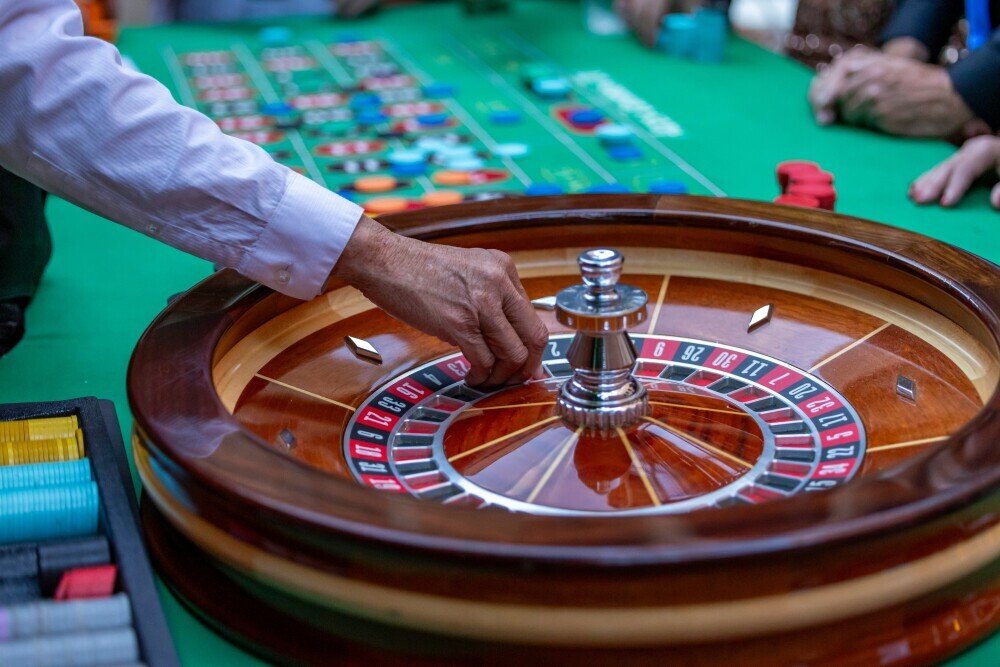
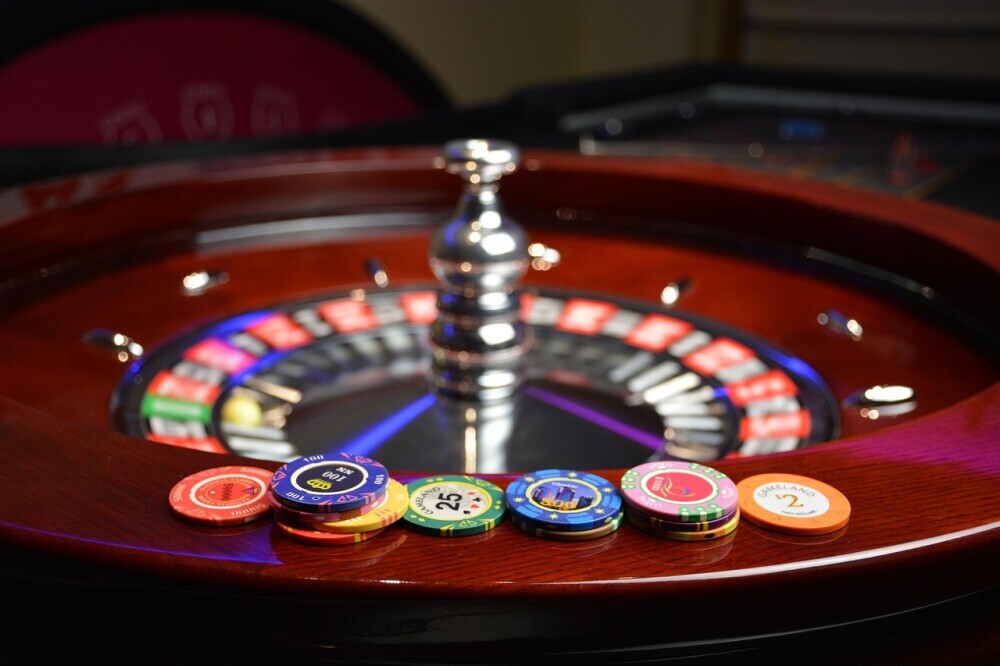
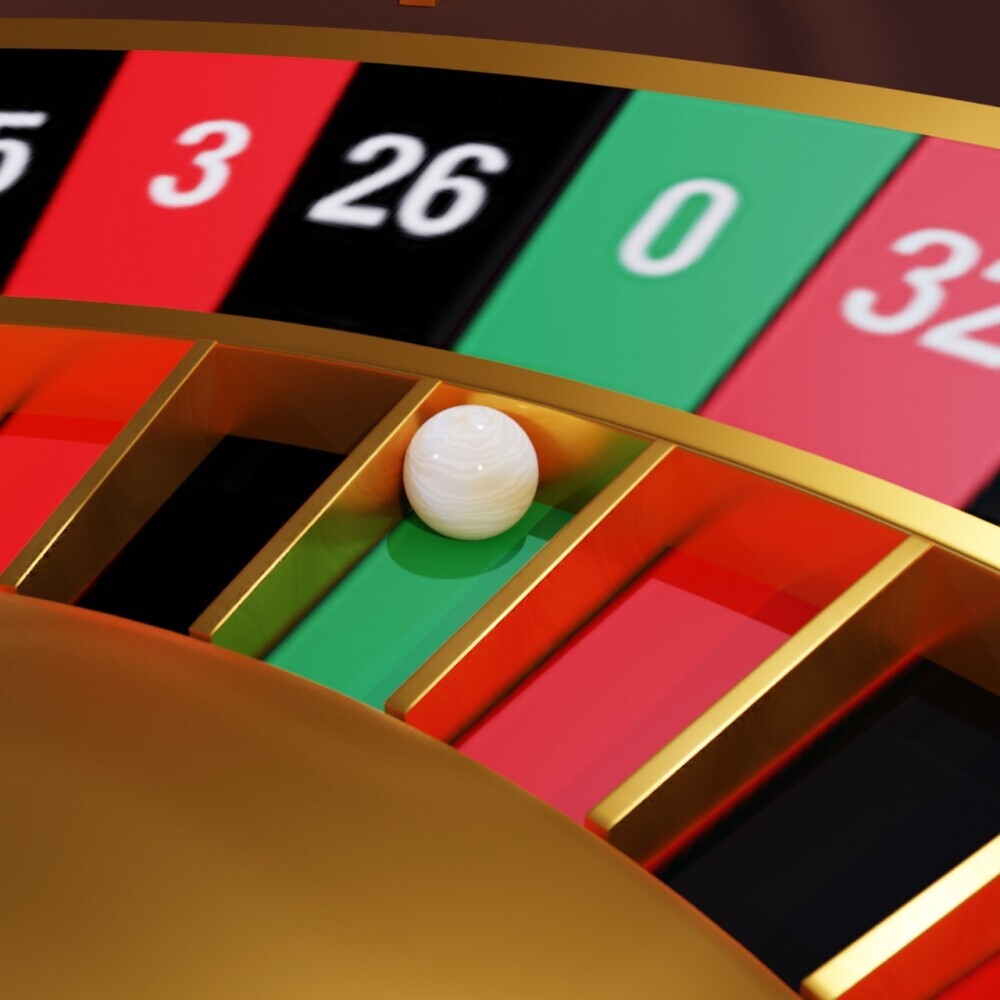
At its core, roulette is pretty straightforward. There’s the iconic wheel divided into numbered pockets and a little white ball spun around the surface.
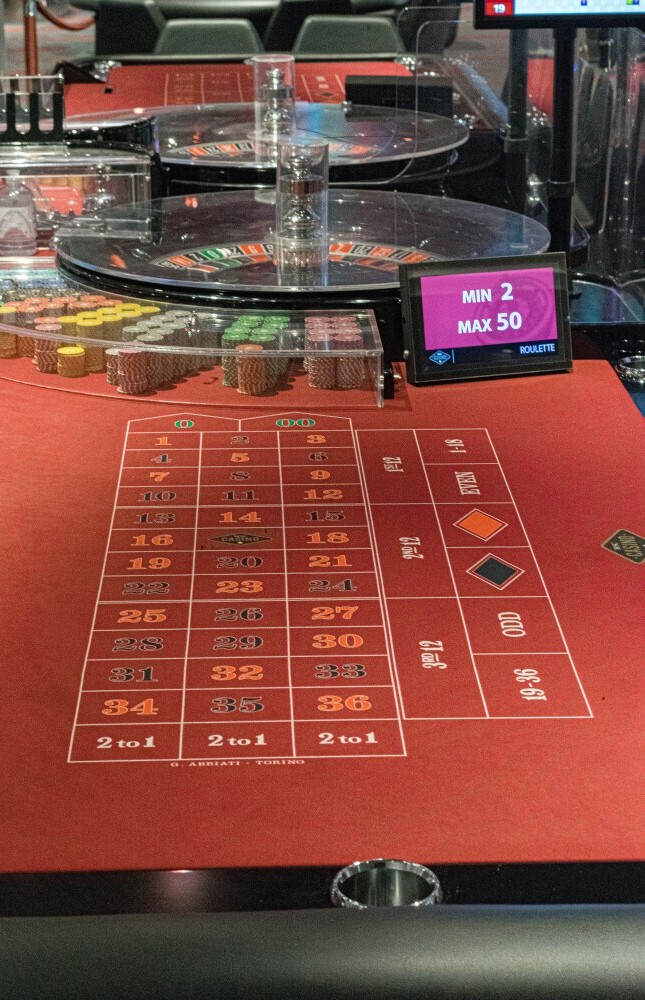
Once the ball lands in one of the pockets, that’s the golden number. That wheel sits proudly on a table laid out with numbers and color options for betting.
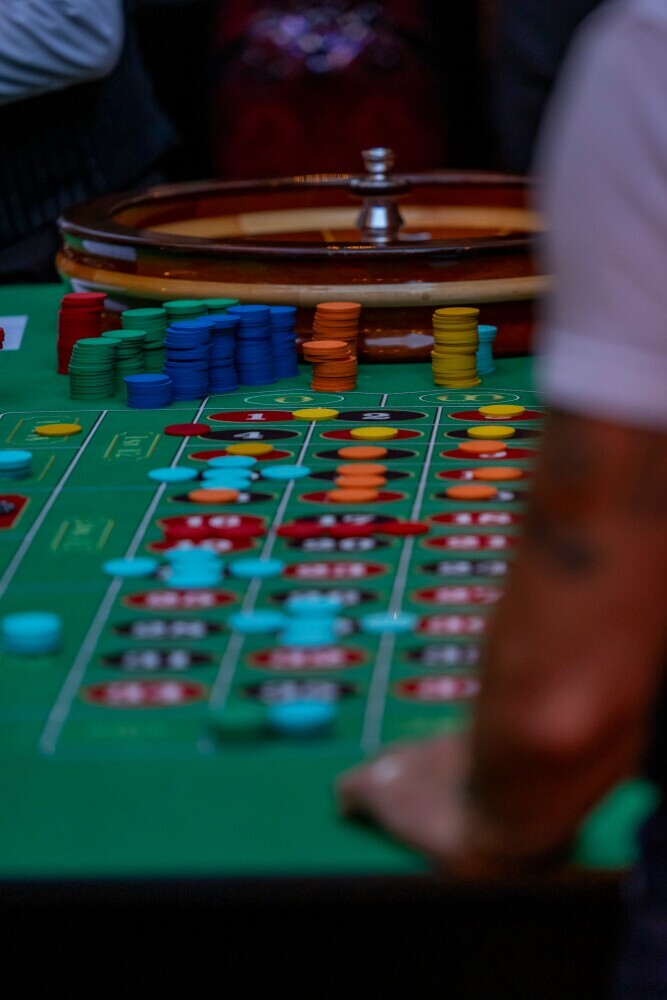
Now, when you’re staring at that table, you’ll notice it’s split into two parts: inside and outside bets. Inside bets are more precise—think of betting straight on a single number or a small group of numbers. Outside bets, on the other hand, are broader, like betting on red or black, odd or even.
So how does it all come together? Players place their bets on the table until the dealer says, ‘no more bets.’ Then, the wheel spins, and after some heart-thumping moments, the ball settles.
Win or lose, payouts are made, and the cycle starts again. It’s a game of chance, but there’s a rhythm to the routine.
Because roulette looks simple: you toss chips on a table, the wheel spins, a ball bounces around like it has personal beef with your bankroll… and a number hits.
But hidden inside that fun chaos are three things every beginner needs to know:
The rules (so you don’t feel lost at the table)
The difference between American and European roulette (VERY important)
Which bets are actually “smart” and which ones are basically donation buttons
This guide from Casino North Star will make roulette feel simple, clear, and honestly… kind of addictive, in a good way.
Let’s roll.

What Is Roulette? (Quick Beginner Explanation)
Roulette is a casino game where you bet on where a small ball will land on a spinning wheel.
You can bet on:
A specific number (like 17)
A color (red or black)
Whether it’s odd or even
Whether it’s high or low
Groups of numbers (like 1–12)
When the ball lands, the winning bets get paid out based on odds/payout rules.
Why Roulette Is So Popular
✅ It’s easy to play
✅ It’s fast-paced
✅ You can bet small or big
✅ You don’t need strategy charts
✅ It feels exciting even when you’re only betting $1
And also because the wheel has a mysterious energy like it knows exactly when you feel confident.
Roulette Basics: The Wheel and the Table Layout
Roulette has two main parts:
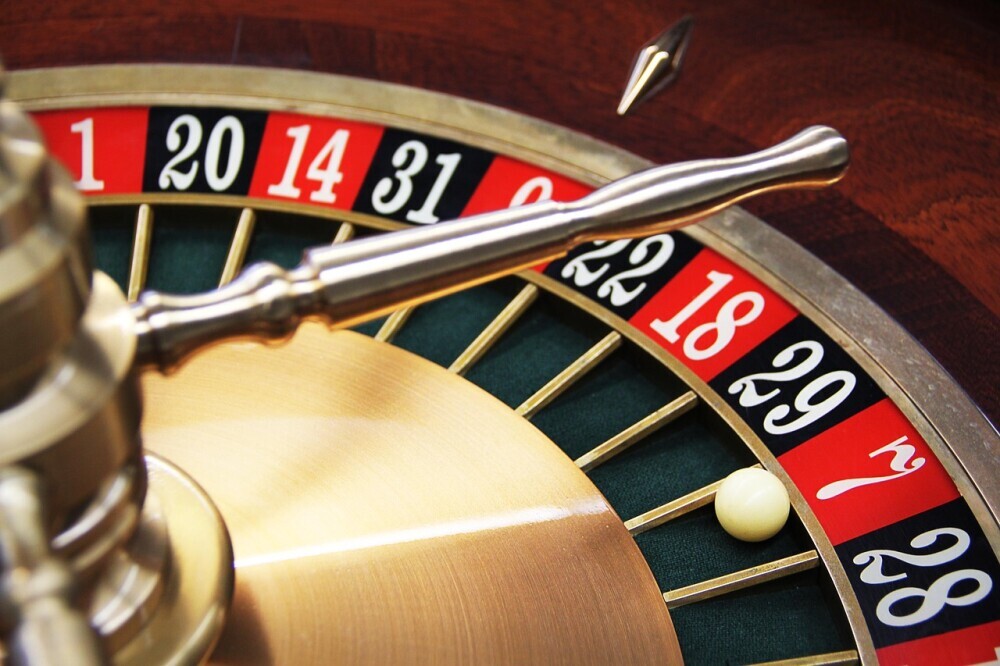
The Wheel – where the ball lands
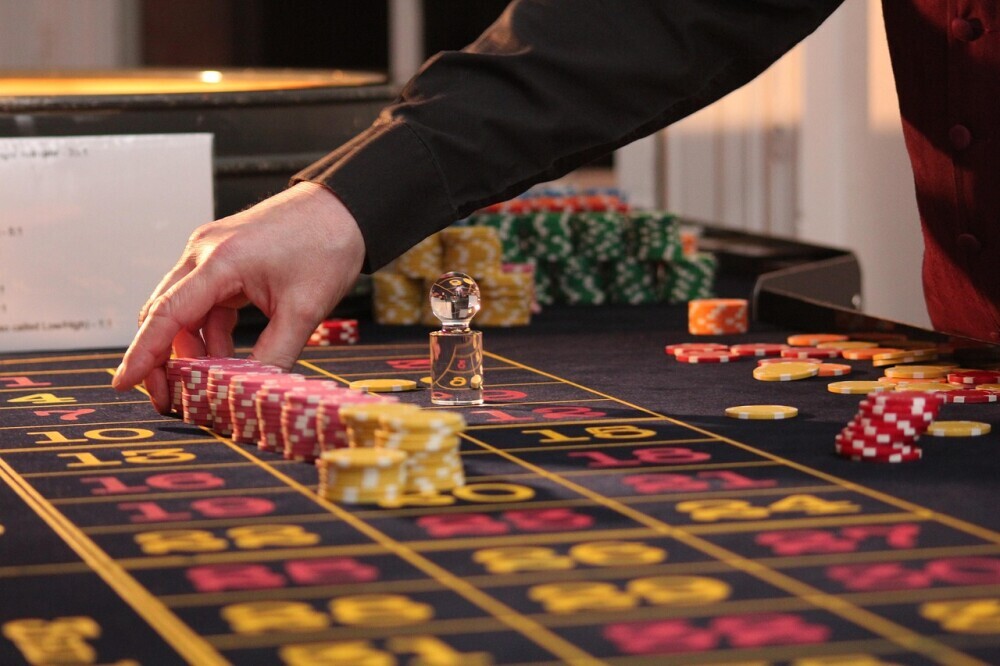
The Betting Table – where you place chips
Roulette Wheel Numbers
A standard roulette wheel has numbers:
European roulette: 0–36 (37 pockets)
American roulette: 0–36 + 00 (38 pockets)
Each number is either:
Red
Black
Green (0 and 00 are green)
The green pockets are the casino’s little “profit pockets.” We’ll explain why soon.
Roulette Rules (Step-by-Step)
Here’s exactly what happens in a roulette round:
1) Place Your Bets
You place chips on the table before the spin.
You can place one bet or multiple bets at once.
2) Dealer Says “No More Bets”
Once the dealer announces “no more bets,” you can’t add or change anything.
(If you try, you’ll get the same look you’d get if you cut in line at a buffet.)
3) Wheel Spins, Ball Drops
The dealer spins the wheel and drops the ball in the opposite direction.
4) Ball Lands on a Number
The ball settles into a pocket (example: Red 23).
5) Winning Bets Get Paid
If your bet wins, the dealer pays you based on the payout rules.
If your bet loses… well… the wheel thanks you for your contribution.
American vs European Roulette (This Matters More Than You Think)
This is the #1 beginner mistake:
Not realizing American roulette is worse for the player.
European Roulette Wheel
European roulette has:
✅ 37 pockets: 0–36
✅ Only one green 0
✅ Lower house edge
American Roulette Wheel
American roulette has:
✅ 38 pockets: 0–36 + 1
✅ Two green pockets (0 and 00)
✅ Higher house edge
Why The Extra “00” Is a Big Deal
Because it increases the chance you lose.
Most beginner-friendly bets like red/black are close to 50/50…
…but green exists specifically to ruin your dreams.
American Roulette: Rules and Variations
So, you’re at the roulette table and you spot the layout with two zeros. Yep, that’s American roulette for ya. It’s got 38 pockets on the wheel—numbers 1 through 36, and the infamous duo of zero and double zero.
This double zero is the game-changer, tweaking the house edge to about 5.26%. In simple terms, the casino’s got a little extra juice compared to its European cousin. It’s something to keep in mind when you’re weighing your options at the table.
On to the betting types! You’ve got loads of choices, ranging from a straight-up bet on a single number to split and street bets that cover multiple numbers. Each has its own payout potential, and it’s all about balancing risk with reward.
The double zero adds some extra flair to the betting strategies. It slightly shifts the odds, and the payout structure follows suit. So, while American roulette offers the classic excitement, remember that the house has that little bit of extra edge. Not a dealbreaker, but something to keep in mind as you pick your spots and place those bets.
European Roulette: Rules and Comparisons
Welcome to European roulette, where the wheel is a little different and the odds might just look a tad friendlier. Unlike its American counterpart, this version features a single zero, giving it a total of 37 pockets.
That single zero isn’t just a visual change—it affects the house edge, lowering it to about 2.7%. This tweak is why many players think of European roulette as a game that offers a better shot at a win.
Let’s look at the comparisons. With one less zero, European roulette shifts the betting dynamics. Fewer zeros mean greater chances of your number popping up, and that translates to potentially more favorable outcomes in the long run.
Now, if you’re a fan of patterns or strategies, you’ll find plenty to sink your teeth into. Common systems like the Martingale or the Labouchere are frequently used, and while there’s no surefire formula for winning, these strategies are about adding structure to your gameplay.
Deciding between American and European roulette often boils down to personal choice. Some players love the challenge of the American wheel, but if you’re looking for higher odds with slightly better chances, you might just lean towards the European game. It’s all about what feels right as you spin the wheel.

Roulette House Edge (The Real Cost of Playing)
Every casino game has something called a house edge.
That’s the casino’s built-in advantage over time.
European Roulette House Edge
House edge: ~2.70%
American Roulette House Edge
House edge: ~5.26%
So American roulette basically says:
“Hey! Same game! Same excitement! Twice the pain!”
Best Rule for Beginners:
✅ Always choose European roulette when possible.
If you have a choice between American and European, European is the better value every single time.
French Roulette: The “Secret Third Option”
Sometimes you’ll see French roulette, which is basically European roulette with extra rules that can help you.
French roulette uses:
37 pockets (0–36)
Often includes special rules like:
La Partage
En Prison
These rules can cut the house edge even lower on even-money bets (like red/black).
So if you spot a French roulette table online or in a casino?
✅ It’s often the best roulette version you can play.

Roulette Table Bets Explained (Inside Bets vs Outside Bets)
Roulette bets fall into two main categories:
✅ Outside Bets (Beginner-Friendly)
These are the big sections on the outer edge of the table.
They have:
Higher chance to win
Smaller payouts
Less stress
Examples:
Red/Black
Odd/Even
1–18 / 19–36
Dozens (1–12, 13–24, 25–36)
Columns
🎯 Inside Bets (More Risky)
These bets target specific numbers or small groups.
They have:
Lower chance to win
Bigger payouts
More chaos per spin
Examples:
Straight-up
Split
Street
Corner
Six-line
Roulette Bets and Payouts (Beginner Cheat Sheet)
Here are the main roulette bets and what they pay:
Outside Bets (Lower Risk)
Red / Black
Covers 18 numbers
Payout: 1 to 1
Odd / Even
Covers 18 numbers
Payout: 1 to 1
1–18 / 19–36 (Low / High)
Covers 18 numbers
Payout: 1 to 1
Dozen Bets (1–12, 13–24, 25–36)
Covers 12 numbers
Payout: 2 to 1
Column Bets (3 columns)
Covers 12 numbers
Payout: 2 to 1
Inside Bets (Higher Risk)
Straight-Up (Single number)
Covers 1 number
Payout: 35 to 1
Split (2 numbers)
Covers 2 numbers
Payout: 17 to 1
Street (3 numbers in a row)
Covers 3 numbers
Payout: 11 to 1
Corner (4-number square)
Covers 4 numbers
Payout: 8 to 1
Six-Line (6 numbers / double street)
Covers 6 numbers
Payout: 5 to 1
What Are the “Best” Roulette Bets?
Here’s the fun part:
In standard roulette (European or American), almost every bet has the same house edge.
So what makes a bet “best” isn’t that it magically beats the casino…
It’s that it helps you:
✅ last longer
✅ control volatility
✅ avoid sucker bets
✅ manage your budget better
And yes… it makes the game feel way more enjoyable.
Let’s rank roulette bets by beginner-friendliness and overall “bankroll survival.”
✅ #1 Best Bet: European Roulette + Outside Even-Money Bets
Best for: Beginners, casual players, low-stress play
Bets included: Red/Black, Odd/Even, High/Low
Payout: 1:1
These are the simplest bets to understand.
You win often enough to stay in the game longer.
Why it’s #1
Very easy to place
Doesn’t drain your bankroll quickly
Gives you lots of spins for your money
Pro tip: Play European or French for better odds.
✅ #2 Best Bet: Dozens (1–12 / 13–24 / 25–36)
Best for: People who want slightly bigger wins
Payout: 2:1
Dozens bets cover 12 numbers, so you win roughly 1 out of 3 spins.
Why it’s great:
Bigger payout than even-money bets
Still a decent win rate
Easy to understand
Example:
Bet $5 on 1–12
If it hits, you win $10 profit (+ your $5 back)
✅ #3 Best Bet: Columns
Best for: Players who like patterns
Payout: 2:1
Columns work just like dozens but in a vertical layout.
This is a nice “mix-it-up” bet for players who want variety without going full chaos mode.
✅ #4 Best Bet: Six-Line Bet (6 numbers)
Best for: Players who want bigger payouts but not insane risk
Payout: 5:1
You’re covering 6 numbers, so you’re taking some risk, but you’re still not living on a single-number prayer.
Why it’s solid:
Better payout than dozens
Covers enough numbers to win sometimes
A fun “upgrade” from beginner bets
✅ #5 Best Bet: Corner Bet (4 numbers)
Best for: People who want bigger hits
Payout: 8:1
Corner bets cover four numbers in a square.
More risk than a six-line, but a nice payout when it hits.
✅ #6 Best Bet: Street Bet (3 numbers)
Best for: Risk-takers who still want structure
Payout: 11:1
This is where roulette starts feeling like a mini thrill ride.
✅ #7 Best Bet: Split Bet (2 numbers)
Best for: Players who love drama
Payout: 17:1
Split bets are tempting because you feel like:
“I’m covering TWO numbers… that’s basically safe.”
Nope. Still risky. Still cold sometimes.
✅ #8 Best Bet: Straight-Up (Single Number)
Best for: “I’m here for glory” players
Payout: 35:1
Straight-up bets are exciting and fun, but they’re volatile.
You can hit big… or miss for a long time.
Beginner rule: If you’re going to play straight-up numbers, do it with a tiny portion of your bankroll.
Roulette Bets to Avoid (The Real “Bad Bets”)
Even though most standard bets have similar house edge, there are a few bets that are genuinely worse.
❌ The Worst Bet: The “Top Line” (American Roulette Only)
This bet covers:
0, 00, 1, 2, 3
It’s often called the “basket bet” or “top line bet.”
Payout: 6 to 1
Sounds fine… until you realize it’s a trap.
Why it’s bad:
This bet has a higher house edge than most roulette bets.
If you’re playing American roulette, avoid this one like it owes you money.
❌ Random “Special Bets” With Weird Payouts
Some online casinos offer side bets or special features that look exciting…
But they often come with:
worse odds
higher house edge
confusing terms
Rule of thumb:
✅ If it’s simple and classic, it’s usually better
❌ If it looks like an arcade bonus game, be suspicious
Roulette Strategy for Beginners (Simple and Smart)
Let’s be honest:
Roulette is not a skill-based game like poker. You can’t “outplay” the wheel. But you can play smarter by focusing on these fundamentals:
1) Choose the Right Version of Roulette
✅ Best: French roulette
✅ Great: European roulette
⚠️ Worst: American roulette
If you only follow one tip from this entire guide, let it be this.
2) Stick With Outside Bets if You Want More Playtime
Outside bets help you avoid busting fast.
If your goal is:
entertainment
longer sessions
lower stress
Outside bets are the move.
3) Don’t Chase Losses
Roulette is fast.
That’s what makes it fun… and dangerous.
You can lose 10 spins in 3 minutes and suddenly feel like:
“I just need ONE good hit.”
That’s how roulette eats bankrolls.
Set your budget. Stick to it.
4) Use a Session Bankroll (Not Your Whole Wallet)
Example:
If you’re bringing $100 to play, you might decide:
Session bankroll: $60
Reserve: $40 (don’t touch it)
When the $60 is gone, you’re done.
This saves you from turning a fun night into a financial crime scene.
5) Bet Sizes Matter (A Lot)
A good beginner approach is:
Bet 1–3% of your bankroll per spin
So if you have $100 to play:
$1–$3 bets keep you alive longer
$10 bets will end things quickly

Popular Roulette Systems (And Whether They Work)
Here’s where beginners usually go next:
They discover betting systems and think they found a cheat code.
Let’s break them down.
The Martingale System (Double After Losses)
This is the most famous roulette system.
You bet on red/black.
If you lose, you double your bet next spin.
Example:
$5 → $10 → $20 → $40 → $80…
Does Martingale Work?
It can win small amounts until you hit a losing streak.
Then:
table limits stop you from doubling
your bankroll can’t keep up
you explode financially
It’s not a long-term winning strategy.
The Reverse Martingale (Paroli)
This is the opposite:
You double after wins.
It’s safer than Martingale because you’re increasing bet size while ahead, not while panicking.
Still doesn’t beat the house edge, but it can be fun.
D’Alembert System
You increase your bet by 1 unit after a loss, decrease by 1 unit after a win.
It’s less aggressive than Martingale.
Still, no system changes the odds.
Roulette is random.
Fibonacci System
You increase bets using the Fibonacci sequence:
1, 1, 2, 3, 5, 8, 13…
This slows down the “doubling spiral” a bit, but the danger is still there.
Truth Bomb:
✅ Betting systems can help with discipline
❌ They do not change house edge
❌ They do not guarantee profit
Strategizing and Betting: Maximizing the Odds
Taking smart risks is always key in roulette. It starts by understanding the balance between odds and payouts. For bets with a higher chance of hitting, like red or black, payouts are even money. Low risk, but steady potential returns can keep you in the game longer.
Some folks swear by betting strategies like the Martingale, where you double your bet after every loss. The idea? Recover your losses with just one win. It sounds enticing, but keep an eye on your bankroll—martingale needs deep pockets and can escalate quickly.
Feeling a bit more adventurous? Check out the Fibonacci and D’Alembert systems. These add a layer of math to your bets, where progression plays a big role, either increasing your bets after losses or steering a more even approach. They each have their quirks, so try them out to see what suits your style best.
It’s all about managing risks and avoiding being too greedy. Set some win and loss limits before the wheel spins to keep things under control. It’s like having a safety net, ensuring that excitement stays healthy and never gets too intense.
We can’t forget the mental game—betting can mess with your emotions. The key is to stay cool, don’t let a streak of bad luck sway you too much. Focus on the numbers, and enjoy the thrill without going off the rails. After all, having fun is what it’s about.
Roulette Etiquette (How to Not Look Like a Newbie)
If you’re playing in a real casino, here are a few quick etiquette tips:
✅ Don’t place bets late
Once the dealer calls “no more bets,” hands off.
✅ Use correct chip placement
Place chips clearly inside the betting area.
✅ Don’t touch other people’s chips
Even if you’re just trying to be helpful, don’t.
✅ Ask questions if you’re unsure
Dealers are used to beginners.
Just be polite and don’t ask during a fast moment.
Roulette Odds Explained (In Plain English)
When you bet on roulette, your “odds” mean:
how likely you are to win
how much you get paid if you do
In general:
Higher chance to win = smaller payout
Lower chance to win = bigger payout
Example: Even Money Bet
Red covers 18 numbers out of 37 in European roulette.
So you win often-ish, but payout is only 1:1.
Example: Straight-Up Bet
A single number covers 1 out of 37 pockets.
So the payout is 35:1 because it’s hard to hit.
Online Roulette vs Casino Roulette (Which Is Better?)
Both can be fun. Here’s the difference:
Online Roulette Pros
✅ Can play anytime
✅ Often lower minimum bets
✅ Can switch tables quickly
✅ Some versions have better rules (French roulette)
Online Roulette Cons
⚠️ Faster gameplay can drain bankroll fast
⚠️ Side bets/features can tempt you into worse odds
⚠️ Easy to overplay
Casino Roulette Pros
✅ Better atmosphere
✅ Slower pace (often)
✅ Social + exciting
✅ Feels more “real”
Casino Roulette Cons
⚠️ Higher minimum bets
⚠️ Might only have American roulette
⚠️ You’ll occasionally hear someone say “it’s due” 17 times in a row
Roulette Myths Beginners Should Ignore
Let’s clean up some common roulette nonsense.
❌ “Red is due.”
Nope. Each spin is independent.
The wheel doesn’t have memory.
❌ “The wheel has hot and cold numbers.”
It can look that way, but it’s not something you can rely on to win.
❌ “If I cover more numbers, I’ll win more.”
Covering more numbers increases win chances, but decreases payout value.
And the house edge stays baked in.
✅ “European roulette is better.”
Yes. This one is actually true.
Beginner Roulette Game Plan (Simple Strategy That Works)
Here’s a beginner roulette plan that’s realistic and fun:
Step 1: Pick European Roulette
If available, always choose it.
Step 2: Start with Outside Bets
Example session:
$5 on Red
OR $3 on 1–18 + $3 on Odd (just don’t overlap too much randomly)
Step 3: Add One “Fun Bet”
If you want excitement, add:
$1 straight-up number
$1 split bet
This keeps roulette fun without risking everything.
Step 4: Stop When You’re Up (or Hit Your Limit)
Set a profit goal like:
“If I’m up $30, I cash out.”
And set a stop-loss:
“If I lose $40, I’m done.”
That’s how you play roulette like a grown-up.
Frequently Asked Roulette Questions (Beginner FAQs)
Is roulette easy to learn?
Yes. Roulette is one of the easiest casino games to understand and play.
Can you win at roulette long-term?
Not consistently. Roulette has a house edge, and over time the casino has the advantage.
Is European roulette better than American roulette?
Yes—European roulette has fewer green pockets, which lowers the house edge.
What’s the best roulette bet for beginners?
Even-money outside bets (red/black, odd/even, high/low) on European roulette.
Is it smart to bet on a single number?
It’s fun, but risky. Great for excitement, not great for consistency.
Final Thoughts: Roulette Is Simple, Fun, and (Yes) Sneaky
Roulette is one of the most entertaining casino games because:
you don’t need skill
every spin is suspenseful
you can play slow and casual or fast and spicy
But if you want the best beginner experience:
✅ choose European or French roulette
✅ stick mostly to outside bets
✅ avoid American roulette when possible
✅ keep your bet sizes small
✅ don’t chase losses
And most importantly…
Remember: roulette is a game, not a financial plan.
Good luck, have fun, and may the ball land exactly where you pointed like you totally meant it.
If you’re learning roulette, you’ll probably enjoy seeing how it compares to other beginner-friendly casino games too. My Casino Games Guide (Beginner-Friendly) gives you the complete overview of slots, blackjack, roulette, and poker so you always know what you’re getting into. And before you start increasing your bet size, take a quick look at Casino Bankroll Strategy for Beginners: How to Play Longer and Lose Less—roulette can burn through a budget fast if you’re not careful. When you’re ready to play, check out my Best Online Casinos for Beginners (Safe, Simple, Fast Payouts) for safe, simple options.
Play responsibly and only gamble what you can afford to lose. If gambling is becoming a problem, help is available: 1-800-GAMBLER or ncpgambling.org (free + confidential).